

Last updated September 11, 2026
Full 25-point door and opener safety check with every visit - springs, cables, rollers, tracks, and your LiftMaster or Chamberlain opener included
You get a price before we start. It does not change when the truck arrives.
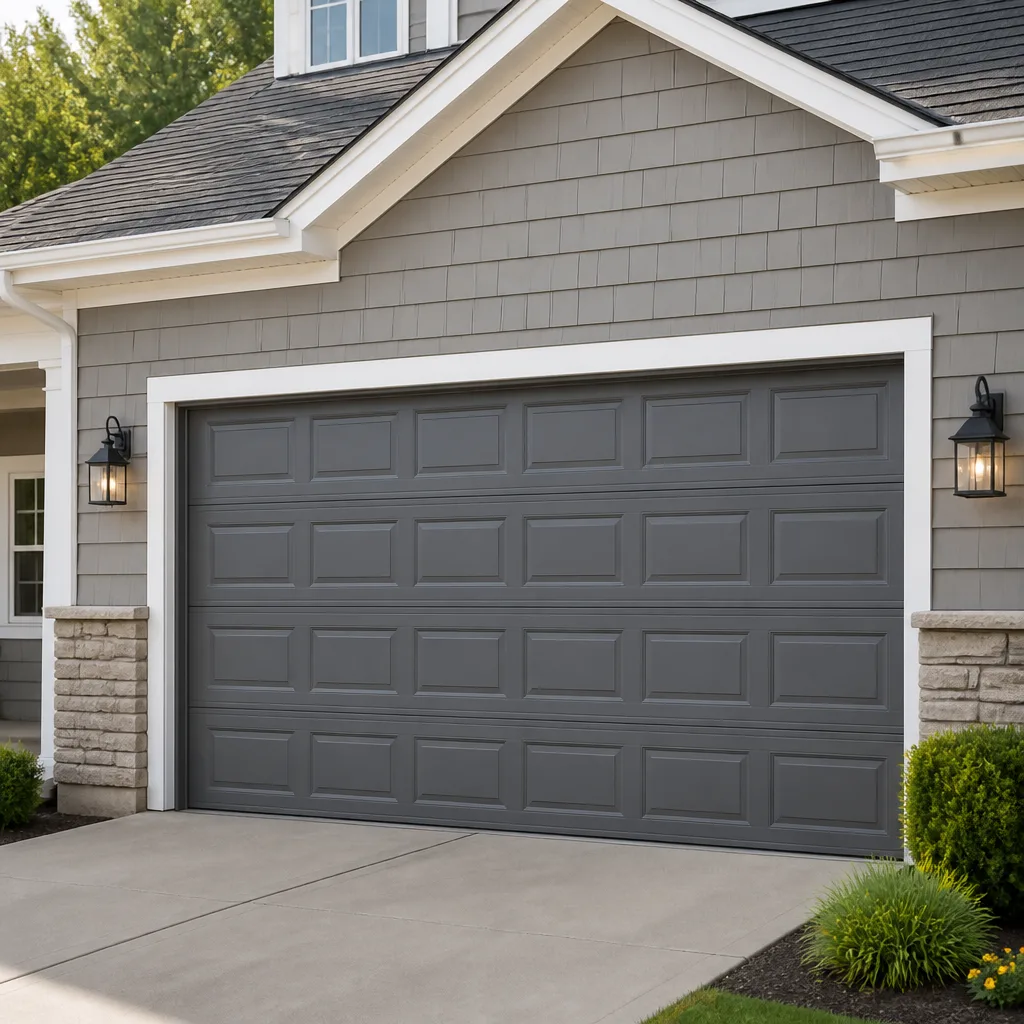
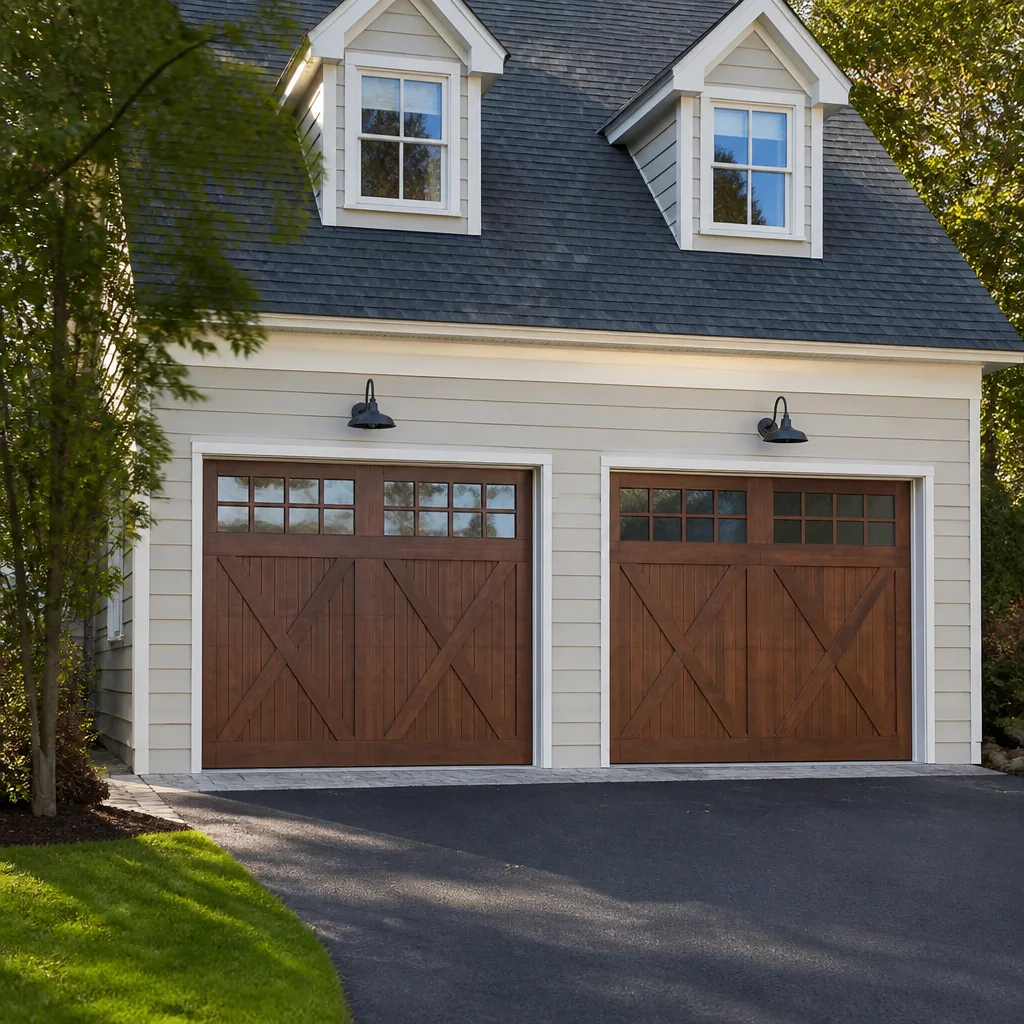
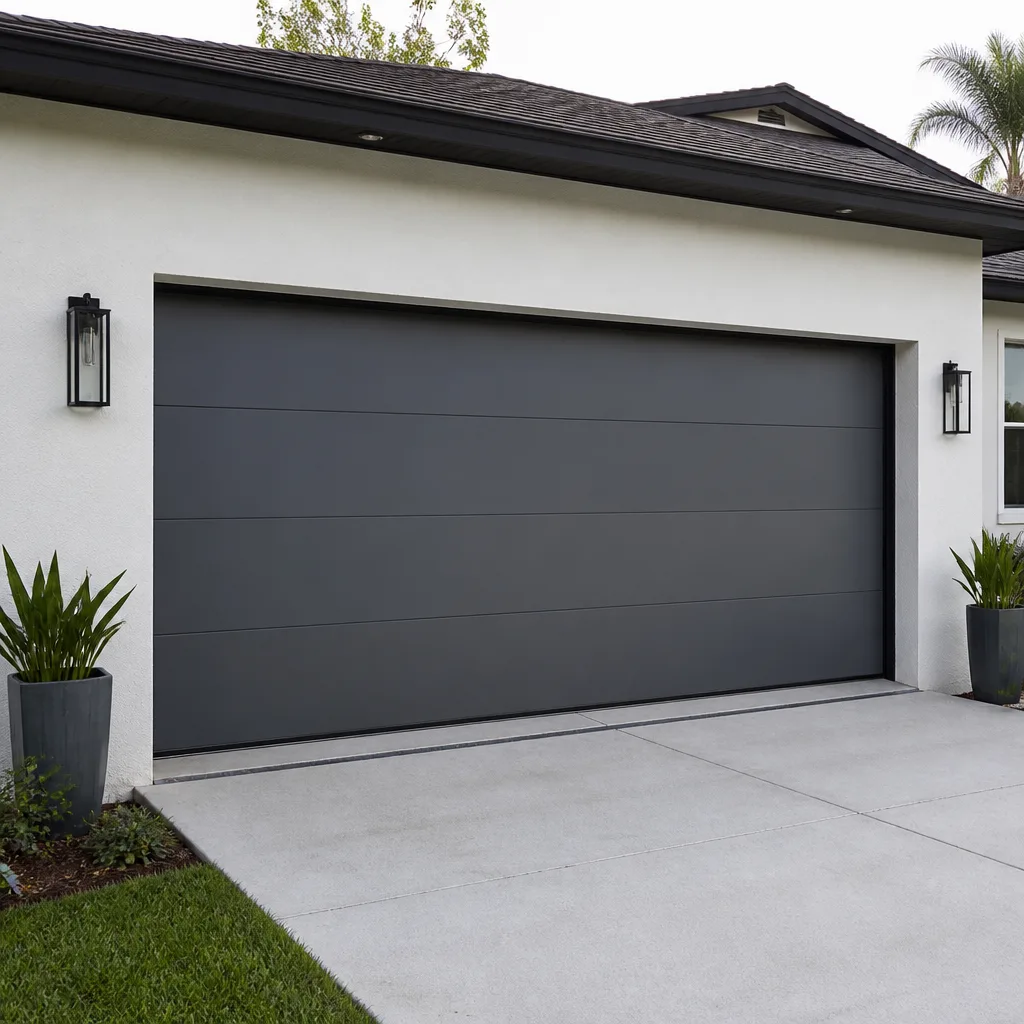
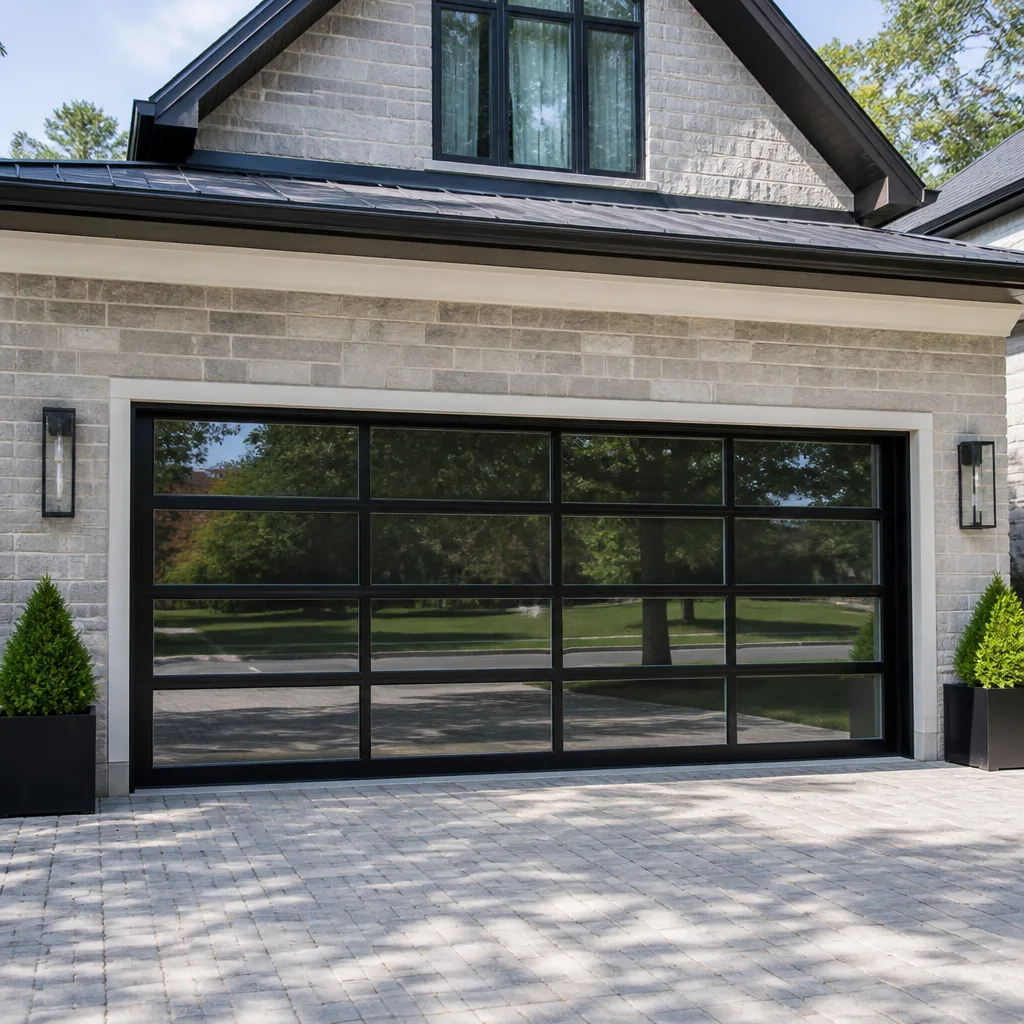
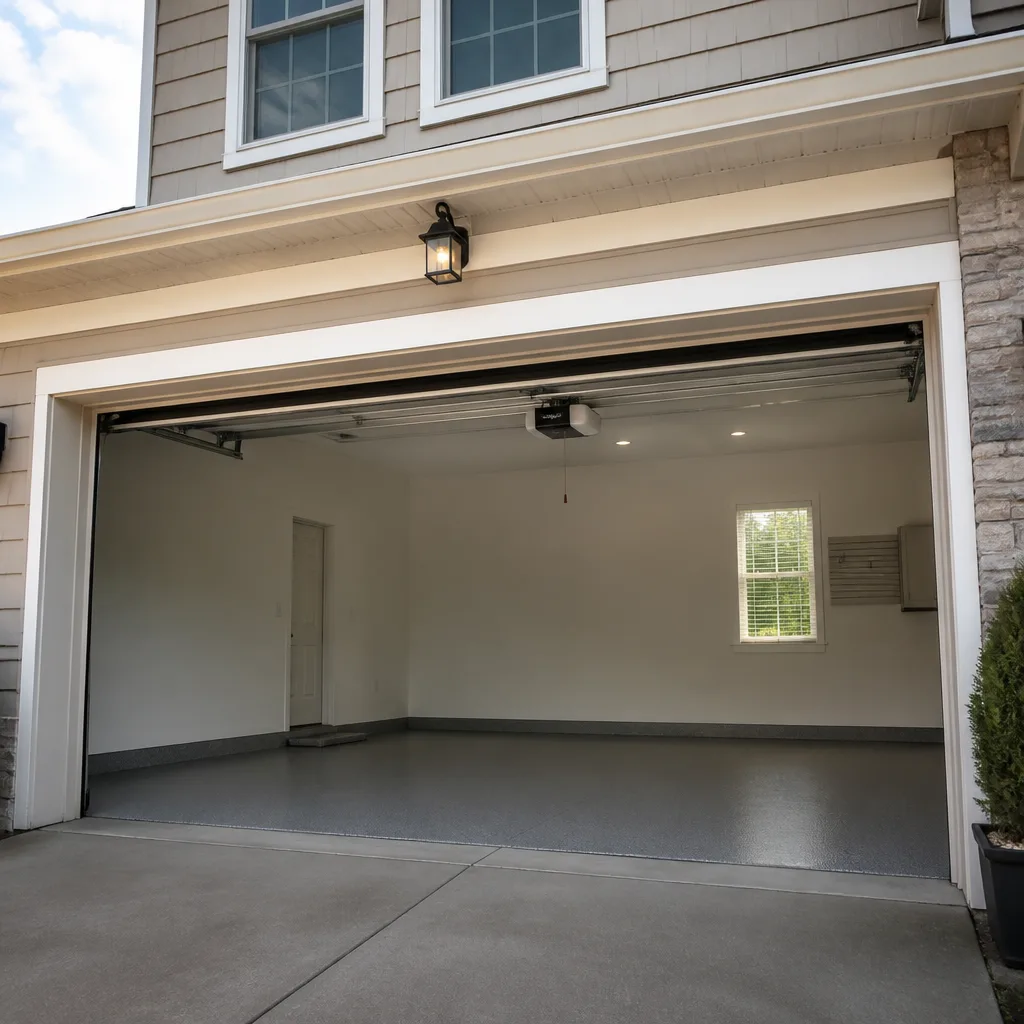
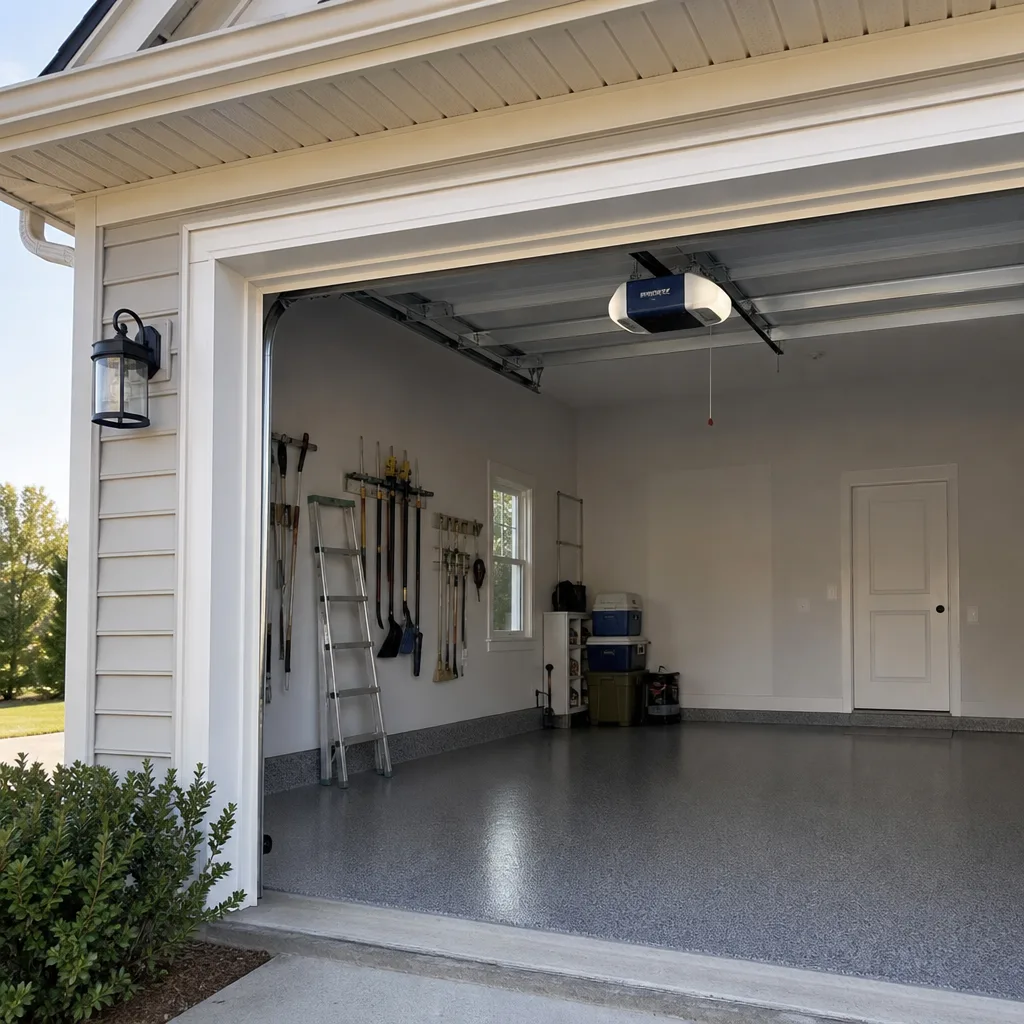
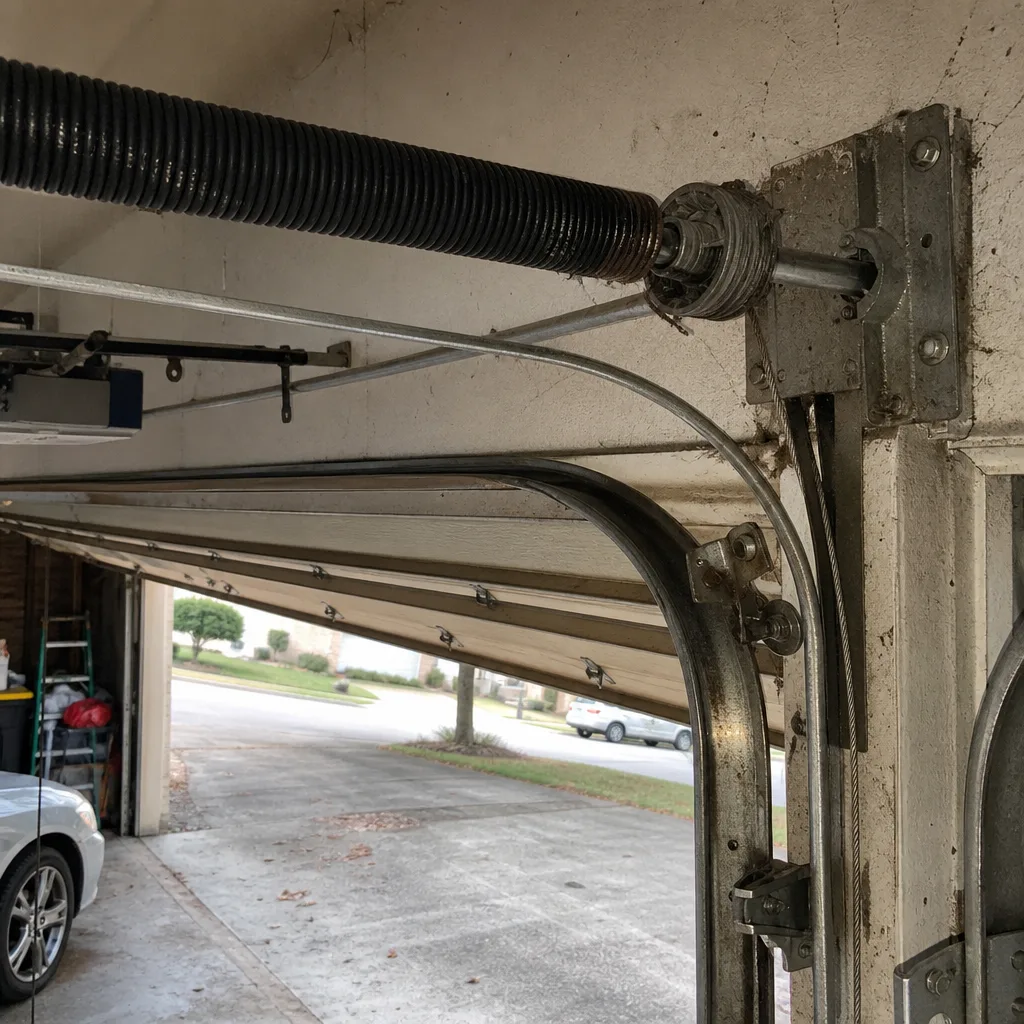 Before
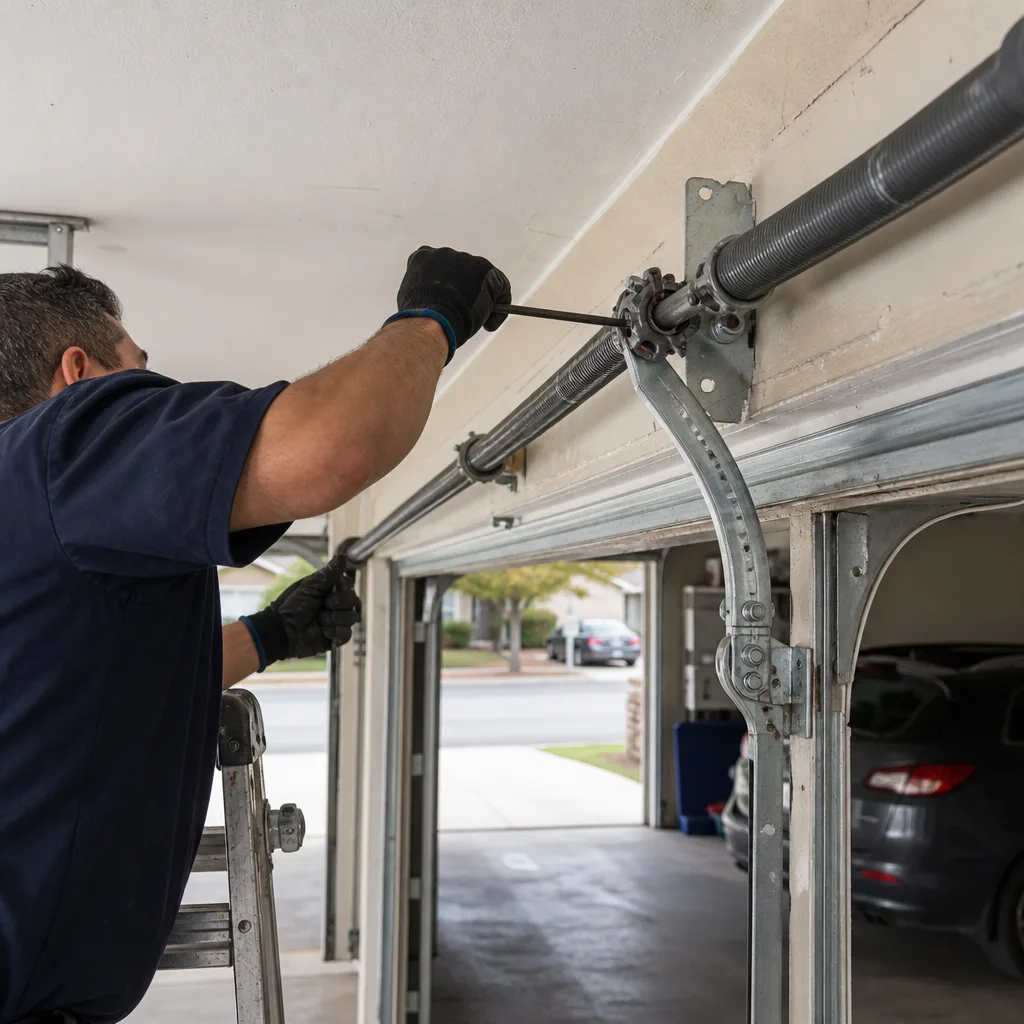 After
After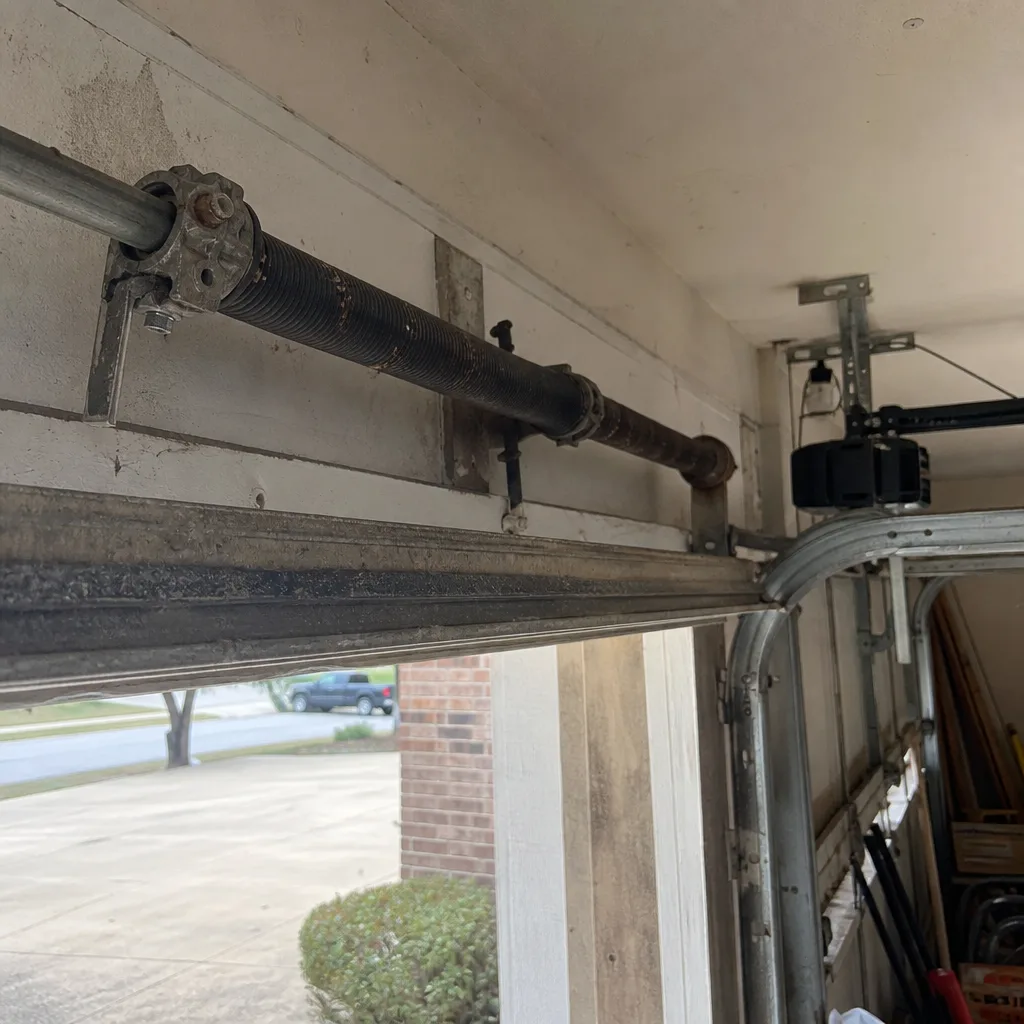 Before
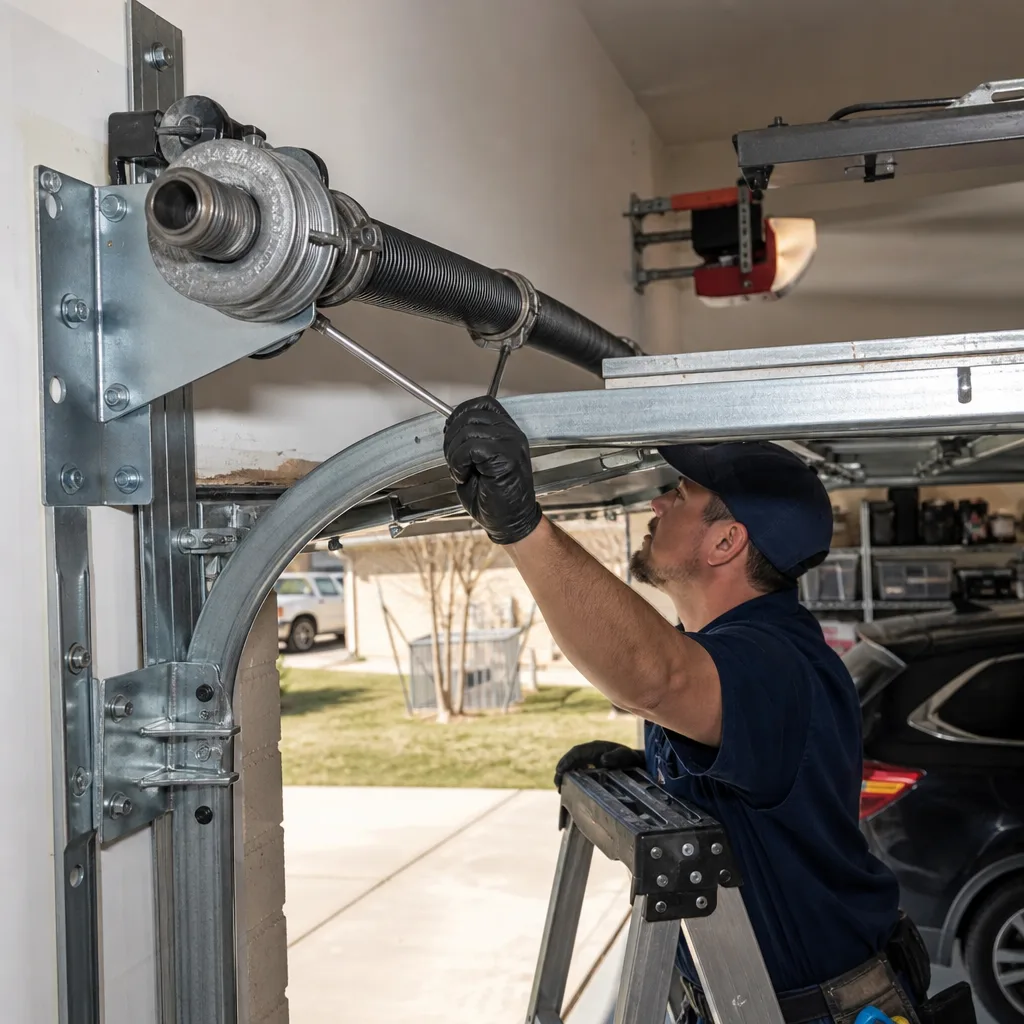 After
After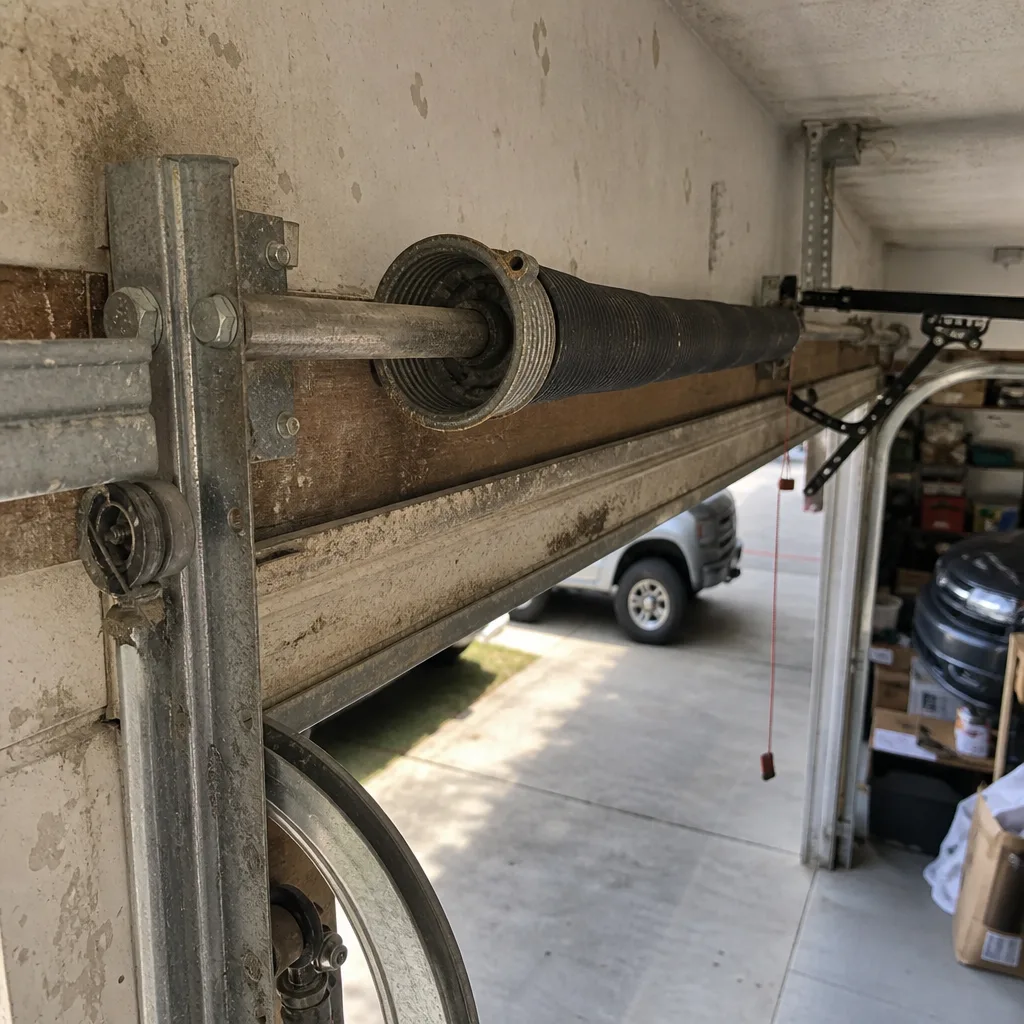 Before
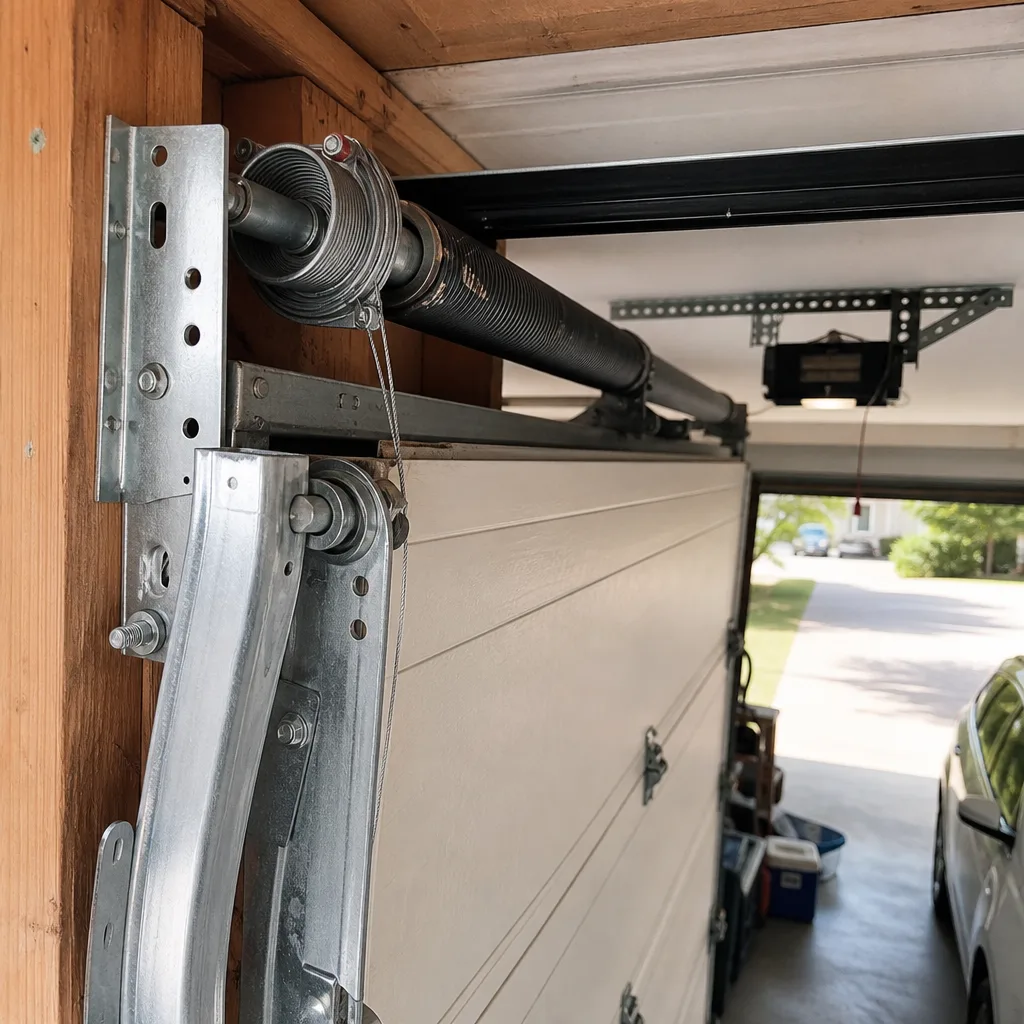 After
AfterGarage Door Permits, Codes & Inspections in TX: What You Need to Know
A Schertz homeowner sat at a title company desk three days before closing and learned the garage door her contractor installed two years earlier never had the permit required for a structural header modification. The buyer’s lender froze the loan. The seller had to cough up nearly $4,000 for rush engineering drawings, retroactive permitting, and a city inspection before the sale could move forward. Most garage door replacements in Texas do not require a permit, and that is exactly why the exceptions blindside people. This guide walks you through when a permit is required, what the inspector checks, what your insurance policy says about unpermitted work, and how the whole process works in Schertz and Guadalupe County.
Quick Answer
Replacing an existing garage door with a door of the same size and type in Texas generally does not require a permit, but you do need one if you are enlarging or adding an opening, modifying the structural header, or converting a garage into living space. In Schertz and Guadalupe County, wind-load requirements also apply to new door installations, and HOA approval runs parallel to city permitting in many subdivisions. When in doubt, call the city building department before work starts; the repair bill for an unpermitted header is a fraction of what it costs to fix at resale.
Table of Contents
- When a Garage Door Job in Schertz Requires a Permit
- Texas IRC Wind-Load Requirements and Schertz’s Wind Zone
- How an Unpermitted Garage Door Affects Your Homeowner’s Insurance
- What a Schertz City Inspector Looks At During a Door Job
- HOA Approval in Schertz Subdivisions: Parallel, Not a Substitute
- Garage Door Codes That Apply Even Without a Permit
- What Permitting Costs and How Long It Takes in Guadalupe County
- Common Mistakes to Avoid
- When to Call a Professional
- Frequently Asked Questions
- The Bottom Line
When a Garage Door Job in Schertz Requires a Permit
Texas does not have a single statewide garage door permit rule. The authority sits with each city and county, and Schertz enforces its own amendments to the International Residential Code, or IRC. Here is the straight version of when a permit enters the picture.
You generally do NOT need a permit when:
- You are swapping an existing garage door for a new one of the identical size and opening dimensions.
- You are replacing a garage door opener, springs, cables, rollers, or tracks without changing the door size.
- You are replacing a section panel on a sectional door, as long as the structural framing stays intact.
You DO need a permit in Schertz when:
- The door opening is being enlarged or reshaped. Cutting into a load-bearing wall to make room for a wider door means the header above the opening has to be resized. That is structural work, and the city requires engineered drawings and a permit.
- A new door opening is being cut into an existing wall. Same reasoning. You are changing the load path of the wall, and the inspector verifies the header, jack studs, and king studs are sized and installed correctly before drywall hides them.
- The header above the door is being modified or replaced. A sagging or undersized header that must be swapped for a stronger beam is structural work, even if the door itself stays the same width.
- A garage is being converted to living space. When a garage becomes a bedroom, office, or apartment, the door often gets removed and replaced with a wall. That conversion requires a permit, and the wall must meet fire separation and insulation standards.
- An attached garage is being built new or a detached garage is being added. New construction always pulls permits, and the garage door opening is part of the framing inspection.
In our experience around Schertz, the surprise is almost always number three. A homeowner replaces an old wooden door with a heavier insulated steel door, the old header was a double 2×6 that was barely adequate in 1987, and the new door with its wind-load reinforcement brackets needs a beefier beam. The contractor says nothing, in part because the homeowner never sees the permit question coming. Six years later, the title company wants the paperwork.
If you are planning new door work and are not sure whether your job crosses the permit line, call the City of Schertz Building Department and ask. They would rather answer the question before the work starts than chase the correction afterward. And if you are comparing bids, How to Hire a Garage Door Contractor in Schertz: A Step-by-Step Guide can help you spot the difference; a contractor who offers to pull a permit for header work is doing you a favor, while the one who says not to bother is building a time bomb for your next closing.
Texas IRC Wind-Load Requirements and Schertz’s Wind Zone
Texas has some of the most demanding wind-load provisions in the IRC, and garage doors are a specific point of failure in high-wind events. When a garage door fails during a storm, the wind enters the garage, pressurizes the interior, and lifts the roof. A door that meets wind-load spec is not an upgrade for coastal fancy; it is what keeps the whole envelope intact in a severe thunderstorm or a tornado adjacent event.
Here is what applies in Schertz: The city falls within a wind speed zone that requires new garage doors to be designed and tested to resist a three-second gust wind speed of roughly 110 to 115 miles per hour, depending on the exposure category of your specific lot. That number comes from the IRC wind speed map that Texas adopted with local amendments. If you live in a neighborhood with open fields and no windbreaks, your exposure classification is more severe than a home tucked into a mature oak canopy in a subdivision like Ashley Place.
Windborne debris region designation: Schertz is not in a designated windborne debris region the way the Gulf Coast is, but the IRC still requires garage doors to meet design pressure ratings for the risk category of the structure. What that means in practical terms: the door you buy must carry a label or documentation showing it met the ASTM E330 testing protocol for the design wind pressure your home requires. A door sold as “standard” that lacks the documentation will not pass a final inspection on a permitted job, and it may expose you to an insurance claim denial if the door fails and the damage is inside the house.
The bolt you cannot skip: Wind-load compliance is not just the door panel. It is the tracking, the mounting brackets, and the anchor bolts into the jamb. In our experience, a homeowner can buy a proper Clopay wind-rated door and pair it with flimsy side mounting brackets from a big-box clearance rack. The door passes, the brackets fail, and the inspector flags it because the assembly is only as strong as the attachment to the structure.
Ask for the manufacturer’s wind-load documentation when you buy a new door in Schertz. Any reputable local supplier keeps it on file. If the seller shrugs, walk.
How an Unpermitted Garage Door Affects Your Homeowner’s Insurance
Here is the uncomfortable truth: your homeowner’s insurance policy is a contract, and inside that contract is language about work performed on the property. Most HO-3 and HO-5 policies in Texas contain a provision requiring that renovations and structural changes be performed with any required permits. If a claim arises from the work or the system that was modified, the carrier may deny coverage based on the unpermitted status, even if the failure was unrelated to the permit itself.
What to look for in your policy:
- The “concealment or fraud” clause. This is the broad provision that lets an insurer void coverage if you withheld material information. An unpermitted structural change you never disclosed can fall under this.
- The “ordinance or law” exclusion. This limits payment for code upgrades required after a loss. If your unpermitted door is damaged in a storm, the cost to bring the replacement up to code may be excluded.
- The “increased hazard” provision. If an unpermitted header modification weakens the wall and the carrier can show the hazard increased, a claim for structural damage may be denied or reduced.
- Wind-load documentation. In a wind claim, the carrier may ask for the door’s design pressure rating. No documentation, no coverage for that specific item, and possibly the interior damage caused by pressurization.
The practical cost: a denied claim for roof damage from pressurization runs tens of thousands of dollars. A permitted, inspected, documented garage door costs a few hundred dollars more in permit and inspection fees. That math does not require a spreadsheet.
If you already have an unpermitted garage door modification, do not panic. Contact the city, file for a retroactive permit, have the work inspected, and keep the paperwork. Disclose it to your insurer in writing. The correction is often cheaper than the denial.
What a Schertz City Inspector Looks At During a Door Job
If you are pulling a permit for a garage door replacement or header modification in Schertz, the inspection is not theater. The inspector arrives with a checklist, and every item on it matters to the final sign-off. Here is what gets examined.
Rough-in inspection, before the wall closes up:
- Header size and material. The inspector checks the header against the approved plan. A double 2×10 versus a double 2×12 is a hard fail if the plan called for the larger.
- Jack studs and king studs. The vertical supports carrying the header must be the correct number and placed correctly. Toenailing into an old plate without bearing is a common fail.
- Anchor placement. The inspector verifies the door track mounting points will fasten into solid framing, not drywall or a single thin furring strip.
- Fire separation if it is an attached garage. If the wall between garage and living space is affected, the inspector checks the drywall thickness on the house side, typically 1/2-inch Type X gypsum board in an attached garage wall or ceiling.
Final inspection, after the door is hung:
- Door balance and operation. The door must open and close smoothly, with the springs balanced so the door stays put when stopped mid-travel.
- Safety reverse. The opener’s auto-reverse mechanism must reverse the door when it contacts a 2×4 laid flat and when the photo-eye beam is broken.
- Wind-load documentation. On a permitted new door, the inspector can ask for the label or certificate showing the design pressure rating.
- Weather sealing and flashing. Rotten or incorrectly lapped flashing around the door opening is a fail. Water intrusion is a code issue, not a preference.
We have seen a final inspection fail because the installer skipped one photo-eye bracket. The door worked fine. The inspector cited the reversal requirement anyway. It delayed the job by three days and cost the contractor a return trip. That is the process doing its job, and it is why Otto likes inspections; they keep honest contractors honest and give the homeowner a paper trail.
HOA Approval in Schertz Subdivisions: Parallel, Not a Substitute
Schertz has dozens of subdivisions with active HOAs, and the architectural review process is a second layer of permission that runs alongside the city permit, never in place of it. Here is the distinction.
The city regulates safety, structure, and code compliance. The HOA regulates appearance, materials, color, and sometimes door style. A city permit does not satisfy the HOA, and an HOA approval does not satisfy the city. You may need both, and missing either one creates a different kind of problem.
The HOA approval process in most Schertz subdivisions:
- Submit an architectural modification request before starting work. Most HOAs require 30 days advance notice and a written response.
- Include the proposed door material, color, finish, and manufacturer. Some associations limit you to specific brands or appearances; a wood-look Amarr or Wayne Dalton door may be approved, while a bright white aluminum door on a brick facade in a neighborhood like Northcliffe may not.
- Wait for written approval. Verbal confirmation from a board member at a neighborhood cookout does not count.
- After installation, the HOA may inspect for compliance. Fail that, and you can be ordered to change the door at your own cost.
The practical sequence is: check the HOA first, then the city. If the HOA rejects the door style you wanted, you do not need a city permit anyway. If the HOA approves, pull the city permit for any structural work, get both sign-offs, and file both papers in the folder you keep for resale.
Some HOAs in older Schertz neighborhoods are dormant or have no architectural committee. That does not exempt you from city permitting. A lapsed HOA cannot green-light a header modification.
Garage Door Codes That Apply Even Without a Permit
Here is the paradox: a permit is not always required, but the code always applies. You can replace a garage door in Schertz with no permit at all, and the new door must still meet the same code provisions as a permitted job. When there is no inspection, compliance is between you and your contractor, which is a soft spot for corner-cutting.
The key IRC provisions that apply to every garage door replacement:
- R309.1 – Vehicle door width. A garage door opening for a single vehicle must be at least 8 feet wide and 7 feet tall for a standard single door. Double doors must be at least 16 feet wide. This applies to the rough opening, not the door panel.
- R309.2 – Separation from house. In an attached garage, the wall between the garage and living space must be continuous and provide fire separation. Drywall can hide gaps, and the code does not care if you can see it or not.
- R302.5.1 – Garage door to house. Any door from a garage to a dwelling must be a solid wood door of not less than 1-3/8 inches thickness, solid or honeycomb-core steel, or a 20-minute fire-rated door, equipped with a self-closing device.
- R303.1 – Ventilation requirement. Garages have minimum ventilation requirements. A tightly sealed garage with no venting can collect carbon monoxide. This matters when replacing a door because some modern doors seal too well for a garage that has no other vent path.
- R311.7 – Safety devices. Any automatic garage door opener installed or replaced must have a photo-eye sensor and an automatic reverse function that meets UL 325. A broken or bypassed sensor is not just a repair item; it is a code violation and a serious injury risk to kids and pets.
When we install a door in Schertz, we treat every job as if an inspector is standing behind us. That is not because we are paranoid; it is because the code is a minimum, not an aspiration. The same door that fails a code check today creates the unpermitted-work discovery at tomorrow’s closing.
What Permitting Costs and How Long It Takes in Guadalupe County
Permit fees in Schertz vary by the job scope, but the rough numbers are honest and predictable. A simple garage door replacement permit, when one is required, typically falls between $75 and $250 in permit fees, depending on the valuation of the work and whether plan review is needed. A structural modification involving a new header or opening can run $300 to $700 when engineering drawings, plan review, and inspection fees are included. Retroactive permits, where the work was completed without approval, often carry a penalty fee that doubles the original amount.
Timeline reality:
- Plan review for structural work: 5 to 10 business days, assuming the drawings are complete.
- Simple permit issuance: 1 to 3 business days once the application is submitted.
- Rough-in inspection scheduling: typically 1 to 3 days after request.
- Final inspection scheduling: same window.
In other words, a straightforward permitted door replacement adds a week to the schedule mostly from the plan review step. That is not long when measured against months of headaches if the work was skipped. The permit fee is also money you get back at resale in the form of a clear closing and no lender freeze.
Ask your contractor to itemize the permit fee in the quote. If the permit fee appears as a line item, you are dealing with someone who does the paperwork. If it is missing from a quote for a job that clearly requires one, ask why. We include the permit cost in our upfront pricing when the job needs it, so the number quoted on the phone is the number that holds when the job is done. Our Schertz garage door installation work follows the same rule.
Common Mistakes to Avoid
- Skipping the permit on a header modification because “it is just a door.” The title company catches this at closing, and the correction costs more than the original job. Pull the permit before the wall opens.
- Buying a door without wind-load documentation. In Schertz, a standard door without a design pressure label may not pass inspection on a permitted job and can become an insurance denial after a wind event. Demand the paperwork.
- Treating HOA approval as the only approval. HOA sign-off is cosmetic and community-based; the city permit is structural and legal. You need both when both apply.
- Hiring a contractor who discourages permits. A licensed professional who tells you to skip the paper trail is not saving you time; they are avoiding scrutiny. That is a red flag you can see from the driveway.
- Replacing a door without checking the fire separation behind it. An attached garage wall with old, thin drywall or gaps is a fire risk, and the door replacement is the only opportunity you will get without opening the wall separately. Look while you can.
- Ignoring the garage venting when installing a tightly sealed door. A modern door with excellent weatherstripping can reduce airflow enough to matter if the garage lacks a passive vent. Check the existing venting before ordering the door.
- Waiting until the week before closing to find the permit folder. Keep every permit, inspection report, and HOA approval with your other closing paperwork from the day the job is done. The other party at the title table only cares what you can prove.
When to Call a Professional
Any time the question touches structure, call a licensed professional. If a door opening is being enlarged or a header is being modified, the life safety of the wall is on the line, and a licensed contractor pulls the permit, the drawings, and the inspection schedule. If the job is a straightforward door replacement and no structural work is involved, a competent door company handles the install and tells you plainly whether a permit is required in your specific situation.
If you are in Schertz and the permit question is tangled, you can bring the city’s answer to us and we will quote the work from there. Otto’s Garage Door offers free estimates in Schertz. Call (830) 341-1180 and someone will answer, get the details of your door and your opening, and tell you what the job requires, including the permit path if one applies. No charge for the second opinion on any written estimate, and no trip charge inside the county.
Frequently Asked Questions
No, if the existing door is being swapped for one of the same size and no structural changes are made. Yes, if the opening is being enlarged, a header is being modified, or the garage is being converted, which is when the permit becomes mandatory. When the answer is uncertain, the Schertz Building Department will confirm it in a five-minute phone call, and we can help you start that call at Otto’s Garage Door home.
A simple garage door permit in Schertz typically costs between $75 and $250, while structural work that requires plan review and engineering runs $300 to $700 before any penalty fees apply. The permit line item should appear in your contractor’s written quote, and if the job clearly needs one and the quote does not list it, ask why before signing anything.
The work remains unpermitted until you correct it, and the correction involves filing for a retroactive permit, paying the fee plus a penalty, and having the work inspected to current code. If the inspector finds the work does not meet code, you may be required to bring it into compliance, which can mean opening the wall and redoing the header. The longer a sale waits, the more the correction costs.
It may not, because most Texas homeowner’s policies contain language denying or reducing coverage for work performed without required permits or that increased the hazard to the structure. After a storm, the carrier may ask for wind-load documentation on the door, and if none exists, the claim for that system and any damage caused by its failure can be denied. Disclose the work to the insurer and file the correction paperwork.
Yes, many Schertz HOAs restrict door materials, brands, colors, and even door styles in their architectural guidelines, and the approval must come in writing before the work starts. HOA approval and city permitting are separate tracks; one does not satisfy the other, and failing either creates a problem at resale.
Yes, new garage doors in Schertz must meet IRC wind-load requirements for the area’s design wind speed, and the door should carry documentation showing the tested design pressure rating. A standard door without the labeling is a bad purchase for a permitted job and a weak point in a wind event, which is why we check the spec on every garage door opener in Schertz installation we touch.
If a question here did not match your situation, call (830) 341-1180 and ask directly. A live person answers, day or night, and we will tell you what applies to your job without a sales pitch.
The Bottom Line
Most garage door replacements in Texas run clean with no permit, and the rule is simple: same size, no structural change, no permit. The exceptions are where the trouble lives. Enlarge an opening, modify a header, or convert a garage, and the paperwork becomes non-negotiable. In Schertz, wind-load documentation matters on every new door, and an HOA approval in a subdivision like Crossvine or Savannah Square does not replace the city’s sign-off. Keep the permit folder with your closing documents, check your insurance policy for the permit language, and when in doubt, ask the city before the wall opens. And if the door itself needs work, we have been fixing and installing doors in this county since 2004, and garage door repair in Schertz still starts with a conversation, not a call center.
Written by Otto Reinhardt, Owner at Otto’s Garage Door, serving Schertz since 2004.